Protecting Children Shouldn't Come at the Cost of Privacy
Protecting children and protecting privacy should go hand in hand. As smart glasses and wearable technologies continue to evolve, new questions are emerging about age verification, facial recognition, and how…
RREGO Guardian
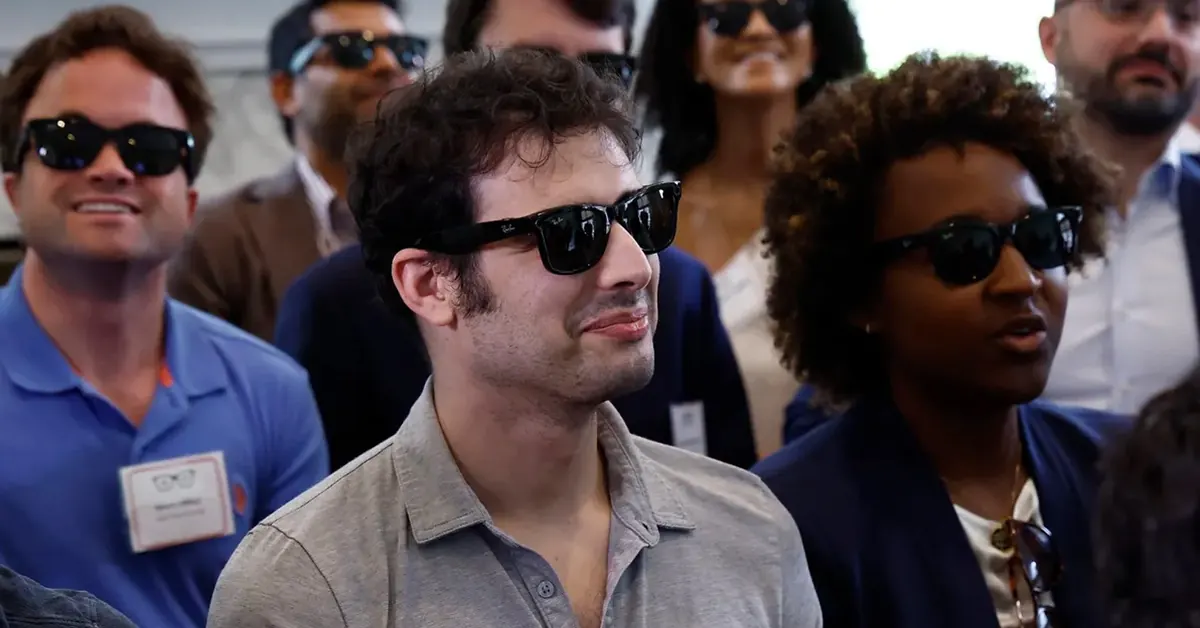
As wearable technologies like smart glasses become more sophisticated, they are creating new opportunities alongside new questions about privacy, identity, and child safety.
A recent article explores growing concerns surrounding smart glasses and technologies capable of estimating age or recognizing individuals through biometric information. While these innovations may offer new ways to help verify age, they also raise important questions about how personal information is collected, stored, and protected.
For families, the conversation extends beyond the technology itself. It highlights a broader challenge facing the digital world: how do we create safer online experiences for children without introducing new privacy risks?
Protecting children should never require collecting more personal information than necessary. Instead, the future of digital safety should focus on privacy-conscious solutions that minimize data collection, respect families’ expectations, and provide meaningful protections without expanding surveillance.
As technology continues to evolve, innovation and privacy must advance together. The strongest child safety solutions will be those that protect children while preserving their dignity, privacy, and trust.
Read the full article to learn more about the ongoing discussion surrounding smart glasses, privacy, and the future of child protection.